
10 Ways to Keep Your Car from Overheating This Summer
Table of Contents
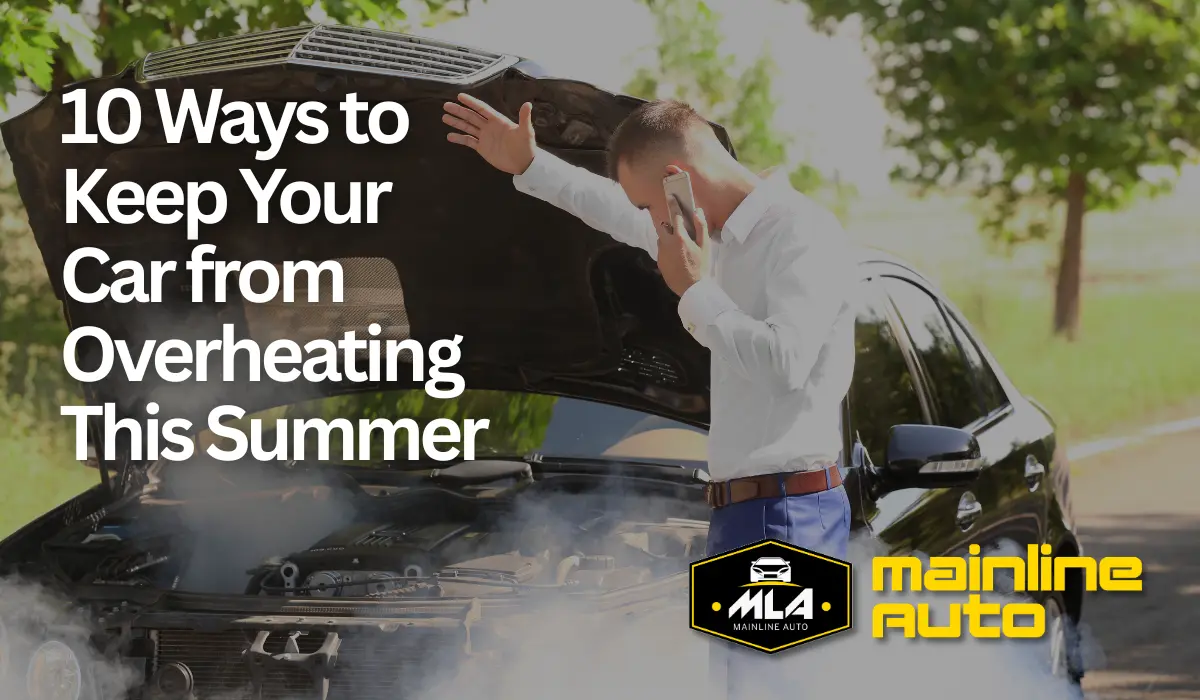
10 Ways to Keep Your Car from Overheating This Summer
Summer in the Philadelphia region means road trips, beach weekends, family vacations, and plenty of time behind the wheel. While warm weather makes for enjoyable driving, it also puts extra stress on your vehicle's cooling system. An overheating engine isn't just inconvenient, it can lead to expensive repairs or even permanent engine damage if ignored.
The good news is that most overheating problems are preventable with a little routine maintenance and a few smart driving habits. Here are ten ways to help keep your car running cool all summer long.
1. Check Your Coolant Level Regularly
Your engine's coolant (also called antifreeze) is the first line of defense against overheating. It circulates through the engine and radiator, carrying heat away before it can cause damage.
Before taking any long summer trips, check that your coolant reservoir is filled to the recommended level. Never remove the radiator cap while the engine is hot, as the system is under pressure and can cause serious burns.
If you're frequently adding coolant, it could indicate a leak that should be inspected promptly.
2. Inspect Your Radiator
The radiator works hard during hot weather. Dirt, leaves, bugs, and road debris can block airflow, reducing its ability to cool the engine efficiently.
Take a quick look through the front grille and gently remove any debris that may be restricting airflow. If your radiator appears damaged or is leaking, have it inspected before temperatures climb even higher.
3. Replace Worn Hoses and Belts
Your cooling system relies on several rubber hoses and belts to circulate coolant throughout the engine.
Look for:
- Cracks
- Bulges
- Soft spots
- Leaks
- Fraying belts
Replacing an inexpensive hose today can prevent a costly breakdown tomorrow.
4. Don't Ignore the Temperature Gauge
Most modern vehicles provide plenty of warning before overheating becomes severe.
If your temperature gauge starts climbing higher than normal or an engine temperature warning light appears, don't continue driving if it's safe to stop. Pull over, turn off the engine, and allow it to cool before checking for obvious issues.
Ignoring an overheating engine can quickly turn a minor repair into a major one.
5. Make Sure Your Cooling Fan Is Working
Many vehicles rely on electric cooling fans to pull air through the radiator while stopped in traffic or idling.
If your engine overheats only during slow traffic but cools down once you're moving again, a faulty cooling fan could be the culprit.
6. Keep Your Air Conditioning System Maintained
Your air conditioning system works harder during the hottest months of the year, placing additional demand on the engine.
If your A/C isn't blowing cold air, produces unpleasant odors, or seems to struggle on hot afternoons, it may be time for an inspection. In some cases, bacteria and moisture can build up inside the evaporator, creating musty smells while reducing overall efficiency.
Routine A/C service can help improve comfort while ensuring your vehicle operates more efficiently during the summer.
7. Check Your Engine Oil
Motor oil doesn't just lubricate engine components—it also helps dissipate heat.
Low or dirty oil increases friction, causing the engine to run hotter than normal. Follow your manufacturer's recommended oil change intervals, especially before taking extended summer road trips.
8. Avoid Heavy Loads During Extreme Heat
Carrying heavy cargo, towing trailers, or driving up long hills on extremely hot days forces your engine to work harder.
If possible:
- Remove unnecessary weight.
- Take breaks during long trips.
- Use lower gears on steep grades.
- Watch your temperature gauge during heavy towing.
9. Watch for Warning Signs
An overheating engine often provides early warning signs.
These may include:
- Steam coming from under the hood
- Sweet-smelling coolant odors
- Temperature gauge rising above normal
- Dashboard warning lights
- Reduced air conditioning performance
Addressing these symptoms early can often prevent much more expensive repairs later.
10. Schedule Preventative Maintenance
The easiest way to avoid overheating is with regular preventative maintenance.
Routine inspections can identify worn hoses, coolant leaks, aging belts, weak water pumps, thermostat problems, or radiator issues before they leave you stranded on the side of the road.
A little preventative maintenance today can save hundreds—or even thousands—of dollars in future repairs.
Summer Driving Starts with a Reliable Vehicle
Whether you're commuting around Philadelphia or planning a family getaway to the Jersey Shore, reliability matters. Proper maintenance not only helps prevent overheating but also improves fuel economy, extends engine life and gives you greater peace of mind wherever the road takes you.
If your current vehicle is becoming less dependable or requires frequent repairs, it may also be worth considering an upgrade.
At Mainline Auto, our inventory of Mainline Auto Certified vehicles undergoes comprehensive inspections to help ensure quality and reliability. We also make financing simple by working with more than 35 lending partners, including Capital One Auto Financing, offering solutions for a wide range of credit situations.
Whether you're shopping for your next vehicle or simply preparing your current one for summer travel, the team at Mainline Auto is here to help drivers throughout Philadelphia, Bensalem, Bristol, Levittown, Langhorne, Northeast Philadelphia, Cherry Hill, Camden, Trenton, Wilmington, and surrounding communities drive with confidence all season long.
Ready for a More Reliable Ride?
Browse our extensive selection of quality Mainline Auto Certified vehicles online or stop by our showroom today. Our knowledgeable team is ready to help you find a dependable vehicle that's ready for every summer adventure.